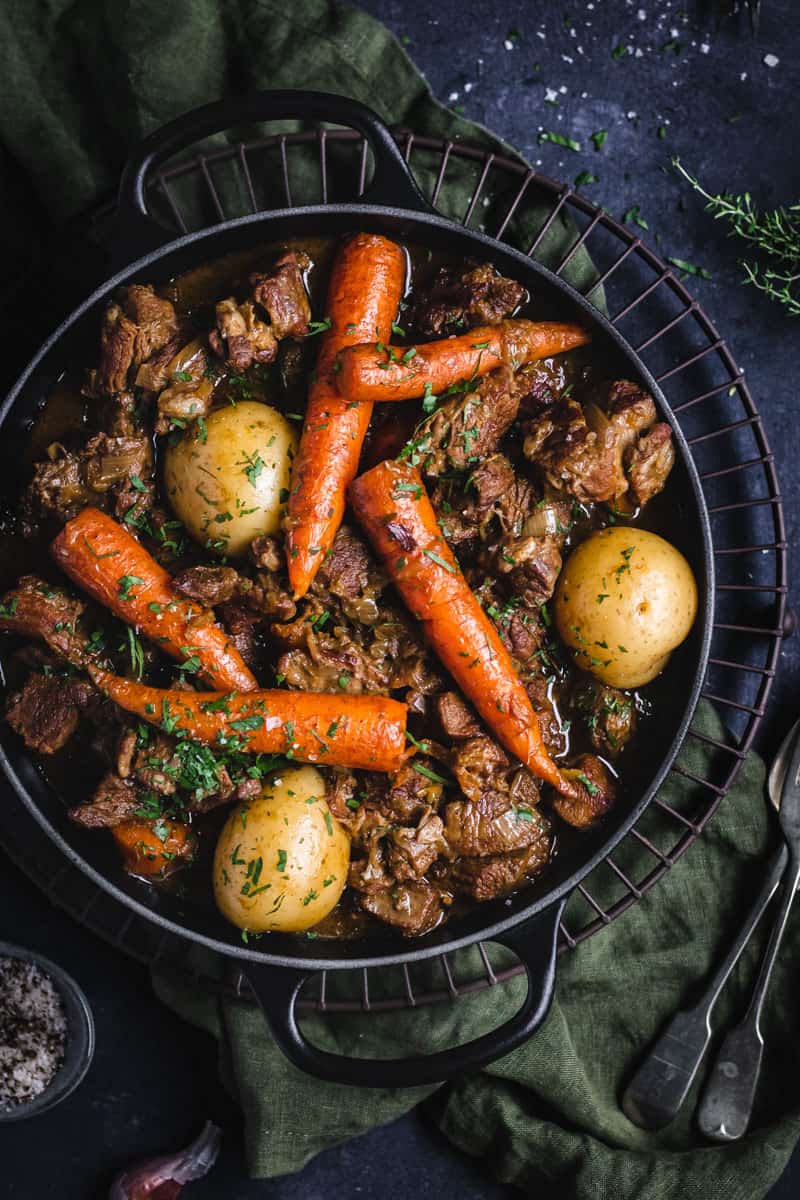
Traditional Irish Stew: Simmering Secrets & Experimentation
Few dishes evoke the warmth, comfort, and culinary heritage of Ireland quite like a classic Irish stew. More than just a meal, it's a centuries-old tradition, a symbol of hearty sustenance, and a testament to the beauty of simplicity. While its reputation precedes it, the true magic of this beloved dish lies not in a rigid, complex recipe, but in its humble origins and the love poured into every slow-cooked pot.
For generations, the Irish stew has graced dinner tables, evolving subtly with each family's touch, yet always retaining its core identity. It's a dish deeply ingrained in the nation's culture, cherished from childhood and passed down with affection. In this article, we'll delve into the simmering secrets that create the perfect classic Irish stew and explore how this fundamental dish offers surprising room for personal experimentation.
The Heart of Tradition: What Makes a Classic Irish Stew?
The essence of a truly traditional Irish stew is its undeniable simplicity. Forget elaborate spice mixes or exotic ingredients; the beauty lies in a handful of wholesome components, expertly brought together. Indeed, many Irish families will tell you there's "no special recipe" – rather, a shared understanding of what constitutes this comforting meal. The philosophy is clear: less is often more, allowing the natural flavours of the core ingredients to shine.
- Potatoes are Paramount: The undisputed star of any Authentic Irish Stew: Simple Ingredients for a Hearty Meal, potatoes form the bulk and provide the comforting texture that defines the dish. They absorb the rich broth, offering a creamy counterpoint to the tender meat.
- Meat Matters (But is Flexible): While lamb stew is often considered the archetypal version, the choice of meat can vary widely based on availability and family preference. Beef stew is a popular alternative, offering a deeper, richer flavour profile, while some even opt for mince stew, occasionally rolled into small meatballs for added texture and appeal. There's no set rule, ensuring that a hearty stew was always accessible.
- Few Core Ingredients: Traditionally, a classic Irish stew relies on just a few basic ingredients: meat, potatoes, onions, and sometimes carrots. This minimalist approach makes it incredibly low-cost, yet remarkably hearty and filling, providing much-needed sustenance, particularly on a damp, cold day.
- Family Variations: Every Irish household likely has its own nuanced method, a subtle tweak or two that makes their stew uniquely theirs. Yet, despite these personal touches, the guiding principle remains: keep it simple. The key to a good traditional Irish stew is often the careful selection and minimal preparation of a few quality ingredients, allowing their intrinsic flavours to develop harmoniously during the long, slow cook.
Mastering the Simmer: Cooking Techniques for the Perfect Classic Irish Stew
Achieving that melt-in-your-mouth tenderness and deeply satisfying flavour in a classic Irish stew is all about patience and a gentle simmer. This isn't a dish to be rushed; rather, it's one that rewards slow cooking, allowing the ingredients to meld and transform into something truly special.
The typical cooking time for an Irish stew is around 60 minutes of active simmering, but this is often just the beginning. The true magic unfolds when the stew is allowed to gently cook for longer, perhaps on a very low heat. The critical indicators of readiness are perfectly tender meat that falls apart with ease and potatoes that are soft and yielding when poked with a fork. There's absolutely no harm in extending the cooking time; in fact, many argue that the longer it simmers, the more intensely the flavours develop, creating a richer, more complex broth.
For those who appreciate the set-it-and-forget-it convenience, a slow cooker is an excellent alternative. Simply combine your chosen ingredients, perhaps with an added cup of water to ensure enough liquid for the long cook, and let it stew all day. This method guarantees incredibly tender meat and a robust, flavourful broth with minimal effort. Furthermore, one of the greatest advantages of a classic Irish stew is its remarkable reheats. Many find that the flavours deepen and marry even further overnight, making it taste arguably even better the next day.
Beyond the Basics: Embracing Experimentation (While Respecting Tradition)
While the purest form of a classic Irish stew champions simplicity, it's also true that culinary traditions, even the most cherished, are not entirely static. The very idea of altering a traditional recipe might seem "blasphemous" to some purists, but experimentation is a natural part of cooking, leading to fantastic new recipes that cater to evolving tastes or dietary needs.
It's quite common for home cooks to add a few extra ingredients to enhance flavour or to achieve a desired consistency. Small additions, such as a teaspoon of beef gravy granules, can effectively thicken the broth and add an extra layer of umami without drastically altering the fundamental character. Some families incorporate other root vegetables like parsnips or leeks, or a handful of fresh herbs like thyme or parsley to brighten the flavour profile.
Modern interpretations might see the introduction of gluten-free beer for a deeper, maltier note, or the addition of crispy bacon for a smoky undertone, as seen in some family recipes passed down through generations with "a few changes." You might even encounter versions with a hint of tomato paste or a splash of Worcestershire sauce to enrich the broth. These additions, while deviating from the strictest definition of a traditional stew, often lead to equally delicious and comforting meals. However, it's crucial to acknowledge the distinction: once you start adding numerous extras, while you might create an incredibly tasty and hearty stew, it arguably ceases to be a *traditional* classic Irish stew in its most unadulterated form. The beauty lies in understanding the traditional foundation before you begin to build upon it.
A Dish for All Seasons (Almost): Serving and Enjoying Your Irish Stew
The classic Irish stew is the epitome of comfort food, perfectly suited for chilly evenings or damp, overcast days. While we might draw the line at serving it for breakfast (preferring a hearty Irish Stew: The Comfort Food Tradition Loved for Generations instead!), it makes an utterly delicious and satisfying lunch or dinner.
Serving it piping hot in a generous bowl is essential, allowing the fragrant steam to warm you before the first spoonful. The perfect accompaniment is often a couple of thick slices of freshly cut bread, ideally slathered with rich Kerry Gold butter, to soak up every last drop of the flavourful gravy. Washed down with a simple glass of water or milk, this combination creates an unparalleled comfort meal.
For many Irish people, stew is more than just food; it's a cherished memory, a taste of home. It’s a dish they’ve grown up with, often since toddlerhood, establishing itself as a beloved tradition. Families often repeat the ritual, just as mothers and grandmothers once did, making a large pot for a Saturday lunch during the winter months, ensuring that the tradition of enjoying this heartwarming meal continues for new generations.
When serving to the youngest members of the family, a little adaptation can go a long way. Mashing together some of the tender potatoes and carrots, perhaps soaking up some of the rich gravy, makes it easier for toddlers to eat. Always remember to let the stew cool sufficiently before serving to little ones, as it's typically served incredibly hot.
Conclusion
The classic Irish stew stands as a timeless culinary icon, celebrated for its heartwarming simplicity, rich history, and profound ability to comfort. From its humble origins rooted in a few basic, hearty ingredients to its enduring presence on family tables across Ireland and beyond, it embodies the spirit of traditional Irish cooking. Whether you adhere strictly to its minimalist roots or venture into tasteful experimentation, the essence of a good Irish stew remains its ability to nourish the body and soul. It’s a dish that invites you to slow down, savour the moment, and connect with generations of tradition, proving that sometimes, the most extraordinary flavours come from the simplest of foundations.
