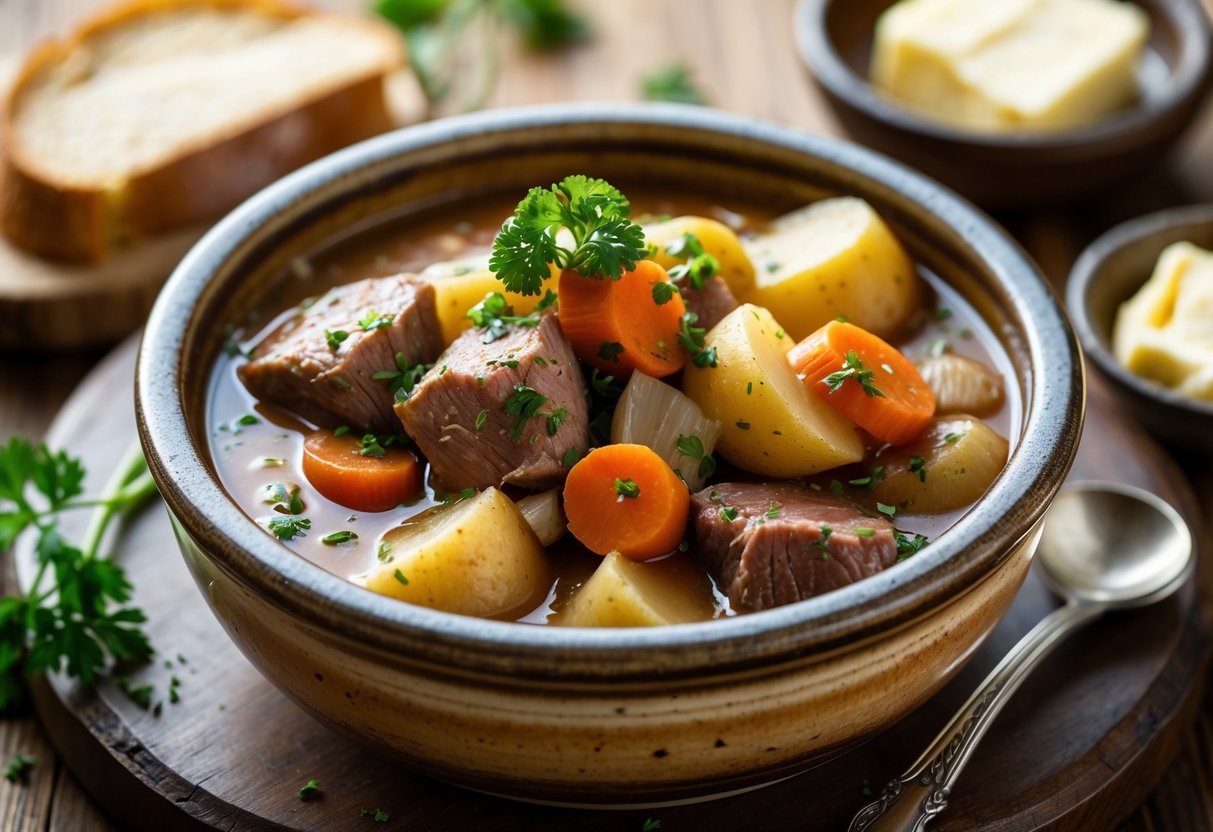
There are few dishes that evoke a sense of warmth, history, and pure comfort quite like a truly classic Irish stew. This iconic meal, often considered the national dish of Ireland, isn't celebrated for its complexity or exotic ingredients. Quite the opposite, in fact. Its enduring appeal lies in its beautiful simplicity, harnessing the humble bounty of the land to create a deeply satisfying and restorative meal. Far from a rigid, highly-guarded recipe, Irish stew is a living tradition, a testament to resourcefulness, and a cornerstone of countless family tables across generations.
At its heart, this hearty dish is a celebration of essential, wholesome ingredients, slow-cooked to perfection. It's the kind of meal that can chase away the chill of a damp, cold day and leave you feeling utterly nourished. While modern culinary trends might tempt us with elaborate additions, the soul of an authentic Irish stew remains rooted in a "less is more" philosophy. It's a dish that proves that profound flavor doesn't always require a long list of ingredients, but rather a respect for quality and patience in preparation.
The Essence of Authenticity: Unpacking Simple Ingredients
What truly defines a classic Irish stew isn't a secret spice blend or an intricate cooking method, but rather a commitment to a few, fundamental components. Historically, this dish was a staple for families who relied on what was readily available and affordable. The beauty of this approach is that it makes Irish stew incredibly easy to prepare, budget-friendly, and profoundly hearty.
- Potatoes: The Undisputed Star
Without a doubt, potatoes are the backbone of a traditional homemade Irish stew. In Ireland, the potato holds a revered status, and in this dish, it's more than just a side—it's an integral part of the stew itself, thickening the broth and providing bulk and sustenance. Floury varieties like Rooster or Maris Piper are excellent choices as they break down slightly during cooking, contributing to the stew's characteristic rustic texture. Waxy potatoes, such as new potatoes or baby potatoes, will hold their shape better if you prefer distinct chunks. - The Choice of Meat: Lamb, Beef, or Mince?
While many immediately think of lamb when they hear "Irish stew," there's surprisingly no set rule. Traditionally, whatever meat was available or most economical was used. Lamb, particularly shoulder or neck fillets, offers a distinctive, rich flavor that many associate with the dish. However, beef stew, using cuts like chuck or shin, is equally popular, offering a robust, savory profile. Some families even prefer a mince stew, sometimes rolled into small meatballs, which makes for an incredibly tender and easily digestible option, especially for younger diners. The key is to choose a cut that benefits from slow cooking, breaking down into melt-in-your-mouth tenderness. - A Hint of Root Vegetables
While the earliest, most basic versions might have focused solely on meat and potatoes, carrots and onions are now widely accepted, and often expected, additions. Carrots provide a touch of sweetness and vibrant color, while onions build a foundational aromatic layer. Some might even add a parsnip or turnip for extra depth, though keeping these additions minimal helps preserve the stew's inherent simplicity. - Water or Broth: The Liquid Foundation
For the most authentic and simplest rendition, water is often the liquid of choice, allowing the flavors of the meat and vegetables to shine unadulterated. However, a good quality beef or lamb broth can deepen the savory notes without overpowering the dish.
The magic happens as these few ingredients slowly simmer together, their flavors melding into a cohesive, comforting whole. Each component plays its part, creating a dish that is far greater than the sum of its humble parts.
Family Traditions and Flavorful Adaptations
Every Irish family, it's safe to say, carries its own unique method for preparing stew. These aren't just recipes; they're culinary legacies, passed down through generations, often seasoned with personal touches and nostalgic memories. From subtle variations in seasoning to the inclusion of a specific vegetable, these family methods ensure that while the spirit of the classic Irish stew remains constant, no two pots are ever exactly alike.
My own mother, for instance, had a ritual of making a large pot of stew every Saturday during the winter months. It was a guaranteed lunch, served steaming hot with freshly cut bread and butter – a tradition we now cherish with our own children. This deep-seated connection to family and heritage is a significant part of the stew's appeal. It’s a dish that transcends mere sustenance, becoming a symbol of home, comfort, and enduring tradition.
While the purists advocate for strict simplicity, culinary curiosity often leads to delightful experimentation. It might be deemed "blasphemous" by some to stray from the bare essentials, but adding a few extra ingredients can indeed elevate the taste and texture of your stew. A small number of beef gravy granules, for example, can wonderfully thicken the broth and deepen its savory richness without drastically altering the fundamental character. Don't be afraid to experiment, but always remember that adding too many "extras" eventually transforms it into a different kind of stew, distinct from its traditional Irish roots.
Some modern adaptations, while delicious, move further from the traditional minimalist approach. For instance, some recipes incorporate a tomato-based broth, beer (sometimes gluten-free beer for dietary considerations), bacon for an extra layer of smoky flavor, and a wider array of herbs and vegetables beyond the core. These variations, as explored in Traditional Irish Stew: Simmering Secrets & Experimentation, often result in a richer, more complex flavor profile, but they also redefine what many consider the classic Irish stew. The beauty is, there's room for both the purist and the innovator in the world of stew-making.
Mastering the Simmer: Cooking Tips and Serving Suggestions
The cooking process for a classic Irish stew is forgiving and straightforward, making it an ideal candidate for both novice and experienced cooks. The key is patience and ensuring the ingredients reach their optimal tenderness.
Cooking Your Hearty Meal
- Browning the Meat (Optional but Recommended): While not strictly traditional, browning your meat before adding liquid can create a deeper, more complex flavor base. Sear the meat in batches until nicely browned, then remove it from the pot. Sauté your onions in the residual fat until softened before returning the meat.
- Approximate Cooking Time: A typical stovetop Irish stew should simmer for approximately 60 minutes, ensuring the meat is fully cooked and the potatoes are soft and tender when checked with a fork. However, there's no harm in allowing it to cook longer on a very low heat; this only further tenderizes the meat and melds the flavors.
- The Slow Cooker Method: For ultimate convenience and melt-in-your-mouth results, a slow cooker is an excellent option. Simply add all your ingredients (meat, potatoes, carrots, onions, and about 1 cup of water or broth) and let it stew all day on a low setting. This method guarantees incredibly tender meat and a deeply flavored broth with minimal effort.
- Checking for Doneness: Always ensure the meat is fully cooked through and the potatoes are soft enough to mash easily. If they're not quite there, just give it a little more time.
Serving the Perfect Bowl
Irish stew is quintessential comfort food, best served piping hot in a large bowl. It's the perfect antidote to a chilly evening or a satisfying lunch on a brisk day. To complete the experience, always serve it alongside a couple of thick slices of crusty bread, slathered generously with good quality Irish butter – Kerrygold being a popular choice. The bread is essential for soaking up every last drop of the rich, savory broth.
One of the fantastic qualities of this dish is that it tastes just as delicious, if not better, when reheated. The flavors often deepen overnight, making it a perfect candidate for meal prepping. When serving to toddlers, it's wise to mash together some of the potatoes and carrots with a bit of the gravy, ensuring it's cooled to a safe temperature before feeding.
Beyond the Basics: Embracing Culinary Evolution
While the purist will always gravitate towards the austere beauty of a simple, traditional Irish stew, the culinary landscape has certainly broadened. It's a testament to the adaptability of this dish that it can absorb subtle additions without losing its soul. A sprig of fresh thyme or a bay leaf can infuse a gentle herbaceous note. A splash of Guinness, particularly in beef-based stews, adds a remarkable depth and malty complexity, creating a rich, dark broth.
For those looking to thicken their stew naturally, simmering a few extra potatoes until they break down is an age-old trick. Alternatively, a cornflour slurry (cornstarch mixed with a little cold water) can be stirred in at the end to achieve your desired consistency. The key, as always, is balance. These additions are meant to enhance, not overshadow, the core flavors of meat and potatoes that define a true classic Irish stew.
This willingness to experiment, even while respecting tradition, is what keeps the dish relevant and loved by new generations. Whether you stick to the unadorned classic or venture into slightly more embellished territory, the outcome is always a deeply satisfying meal that speaks to heritage and comfort.
A Timeless Comfort
Authentic Irish stew, in all its humble glory, is more than just a meal; it's a culinary hug, a taste of history, and a celebration of simple, honest ingredients. From its origins as a basic, economical dish to its current status as a beloved national treasure, its appeal remains unwavering. Whether you prefer the austere beauty of the original, with its pure meat-and-potato focus, or enjoy the subtle enhancements of modern variations, the essence remains the same: a hearty, soul-warming pot of goodness. It’s a dish that has nourished families for centuries, created lasting memories, and will undoubtedly continue to do so for many more to come, reminding us all of the profound comfort found in a well-made, classic Irish stew.
