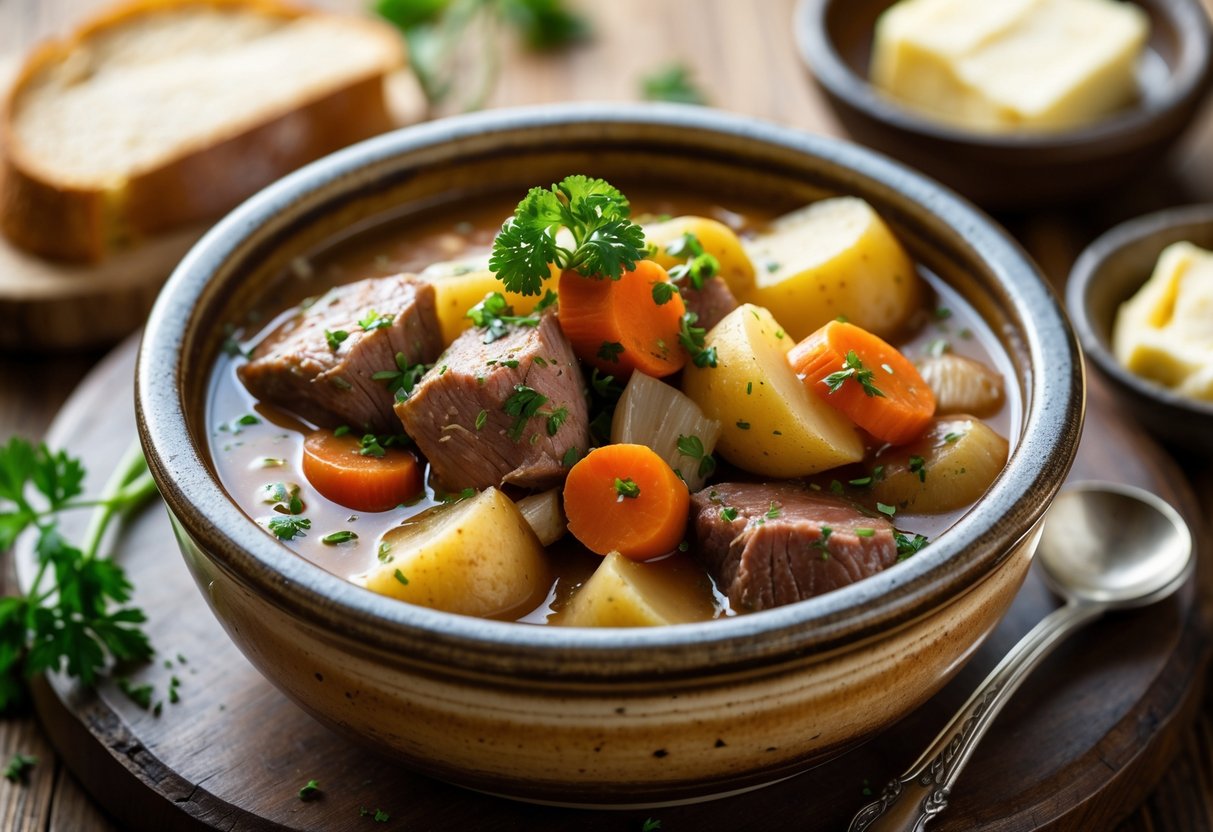
Irish Stew: The Comfort Food Tradition Loved for Generations
There are few dishes that evoke the warmth and nostalgia of home quite like classic Irish stew. More than just a meal, it's a culinary hug, a centuries-old tradition passed down through families, and a cornerstone of Irish heritage. For generations, this humble yet incredibly satisfying dish has graced dinner tables, providing sustenance and comfort, particularly on damp, chilly days. Its enduring appeal lies in its simplicity, its hearty nature, and the rich, authentic flavours that develop through slow cooking. Every spoonful tells a story of tradition, resilience, and the comforting taste of home.
The Enduring Charm of Classic Irish Stew
What makes Irish stew so special, and why has it remained a beloved staple for so long? The answer lies in its unfussy approach to cooking and its deep roots in Irish domestic life. Unlike many elaborate culinary creations, a classic Irish stew embraces the philosophy that less is often more. There isn't a single, secret recipe guarded by culinary masters; instead, it's a testament to resourcefulness and the ability to create something extraordinary from basic, wholesome ingredients.
Historically, Irish families relied on what was readily available, and this practicality shaped the stew we know today. It's a dish born from necessity but perfected by generations of loving hands. This ease of preparation, coupled with its nourishing qualities, solidified its place as a go-to meal. It’s a dish that warms you from the inside out, making it the quintessential comfort food, perfect for family gatherings or a quiet evening by the fire.
The Humble Ingredients That Define a Classic Irish Stew
At the heart of any truly classic Irish stew are a few, carefully chosen ingredients that come together to create a symphony of flavour and texture. The beauty lies in their quality and how they interact. According to many traditionalists, the key is to keep it simple, allowing the core components to shine.
- Potatoes: The Undisputed Star: While many stews feature meat prominently, in traditional Irish stew, potatoes often take centre stage. They don't just add bulk; they contribute a creamy texture as they break down slightly, thickening the broth and soaking up all the rich flavours. Varieties like Rooster or Maris Piper are excellent choices, offering both flavour and the right texture when slow-cooked until wonderfully soft.
- The Meat of Choice: This is where family traditions often diverge. While many modern interpretations might lean towards beef, historically, lamb stew was incredibly common, particularly using less tender cuts like shoulder or neck, which become succulent with long simmering. Others prefer a robust beef stew, leveraging cuts like chuck or brisket. There's even a tradition of using mince, often rolled into small meatballs, which is particularly popular with children. The choice of meat significantly influences the overall flavour profile, but regardless, the goal is always fork-tender succulence.
- Essential Vegetables (Kept Simple): Carrots and onions are common additions, providing a subtle sweetness and aromatic base without overpowering the main ingredients. Some purists might even argue against carrots, preferring the starker simplicity of just meat and potatoes, but a few chunks of sweet carrot often enhance the stew beautifully.
- Water or Broth: The liquid base is usually just water, allowing the natural flavours of the meat and vegetables to create a light, savoury broth. Some might add a touch of stock for extra depth, but the emphasis remains on a clear, clean flavour.
The magic happens as these few, basic ingredients slowly meld together, creating a rich, savoury broth that is incredibly satisfying. It's a testament to the power of simple cooking, proving that you don't need an extensive shopping list to create a truly memorable meal. For a deeper dive into the foundational elements of this beloved dish, explore our article on Authentic Irish Stew: Simple Ingredients for a Hearty Meal.
Crafting Your Own Hearty Bowl: Tips for the Perfect Irish Stew
Making a delicious Irish stew is surprisingly straightforward, making it an ideal dish for both novice and experienced cooks. The process is forgiving, and the results are consistently rewarding. Here's how to ensure your homemade version embodies the true spirit of this comfort food tradition:
Cooking Time and Technique
While a minimum cooking time of around 60 minutes is often suggested to ensure the meat is fully cooked and the potatoes are tender, don't be afraid to embrace the low and slow method. The longer the stew gently simmers on a low heat, the more the flavours develop, and the meat becomes incredibly tender. A good test is to easily pierce the meat and potatoes with a fork. For ultimate convenience, a slow cooker is a fantastic tool; simply combine your ingredients with about 1 cup of water or broth, and let it stew all day, coming home to a perfectly cooked meal.
The Beauty of Reheating
One of the true marvels of classic Irish stew is that it often tastes even better the next day. The flavours have more time to mingle and deepen, making it an ideal make-ahead meal for busy households. It reheats beautifully, losing none of its comforting qualities. Just ensure it's heated through thoroughly before serving.
Serving Suggestions for Maximum Comfort
A piping hot bowl of Irish stew is a feast for the senses, especially on a cold day. Serve it generously in deep bowls, allowing the steam to rise, promising warmth and satisfaction. Pair it with a few slices of fresh, crusty bread (soda bread is a particularly authentic choice) slathered with rich Kerry Gold butter. The bread is perfect for soaking up every last drop of the delicious gravy. While it’s certainly a hearty lunch or dinner, most Irish families draw the line at breakfast – preferring a full Irish breakfast to start the day!
Adapting for Toddlers
Irish stew is often a dish that children grow up with. If you're serving it to a toddler, allow it to cool significantly first, as it's typically served piping hot. Mashing some of the soft potatoes and carrots together, allowing them to absorb some of the gravy, makes it easier for little ones to enjoy and ensures they get all the nourishing goodness.
Beyond Tradition: Experimentation and Modern Twists (While Respecting the Core)
While the essence of a classic Irish stew lies in its simplicity, it's also true that culinary traditions evolve. Every Irish family might have their "own method" and small additions. It's almost "blasphemous" to suggest, as some purists might say, but experimenting can indeed lead to fantastic new recipes and flavour profiles. However, it's important to acknowledge that once you start adding too many "extras," you venture into the realm of a different, albeit delicious, stew.
Common minor additions include a small amount of beef gravy granules to thicken the broth and add a deeper savoury note, or perhaps a bay leaf or sprig of thyme for subtle herbal undertones. These additions generally enhance the existing flavours without drastically altering the core character of the dish.
Modern interpretations, however, often introduce more significant changes. Some contemporary recipes for Irish stew might incorporate elements like a tomato-based broth, a splash of beer (even gluten-free beer for dietary considerations), or crispy bacon for added depth and saltiness. These ingredients, while undoubtedly delicious, move the stew away from its most austere, traditional form. They create a richer, perhaps more complex flavour profile, but one that is distinct from the pared-down simplicity of the original. There’s no right or wrong, merely different paths to a hearty, warming meal. To delve deeper into the nuances of simmering and how different additions impact the final dish, read our article on Traditional Irish Stew: Simmering Secrets & Experimentation.
A Timeless Taste of Ireland
From its humble beginnings to its place as an international culinary icon, classic Irish stew remains a testament to the power of simple, honest cooking. It's a dish that connects generations, evokes cherished memories, and provides unparalleled comfort. Whether you stick to the most traditional, sparse ingredient list or allow for a few thoughtful additions, the heart of Irish stew remains the same: a nourishing, deeply satisfying meal that embodies the spirit of Irish hospitality and warmth. So, gather your simple ingredients, let it simmer low and slow, and prepare to enjoy a truly timeless taste of Ireland.
